

Estimating has always been about turning assumptions into numbers. What’s changing is how those assumptions are formed.
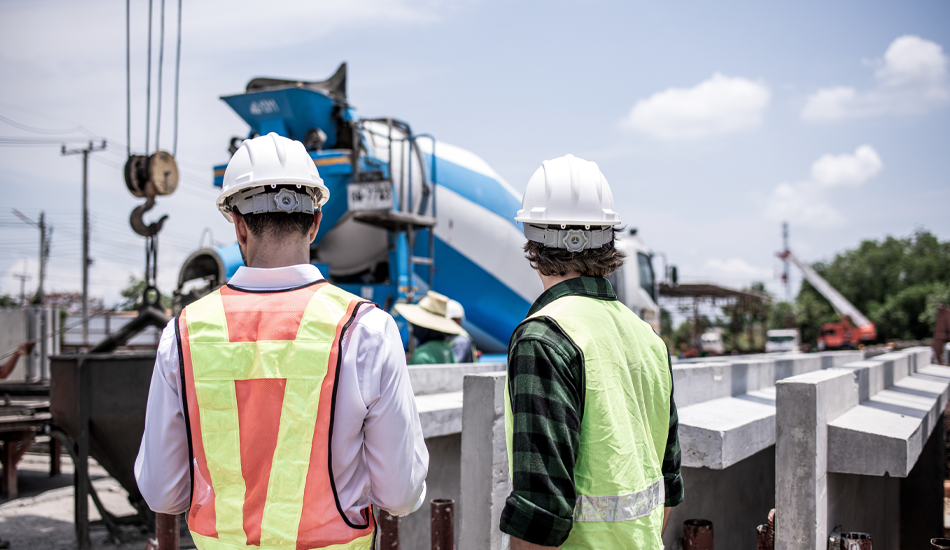
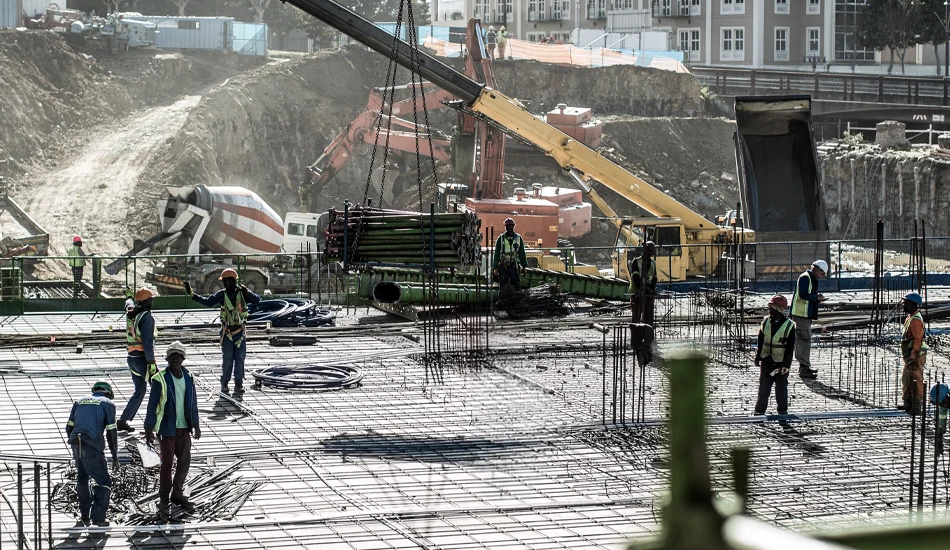
Instead of relying solely on plans, historical averages and pre-bid site walks, more contractors are pulling real-world data directly from the jobsite into the estimating process.
Field measurements, drone scans and connected devices are no longer just tools for project execution.
They’re becoming inputs that help estimators refine quantities, validate production rates and reduce uncertainty before the next bid goes out the door.
This shift aligns closely with how modern estimating platforms like The EDGE® frame estimating accuracy as a competitive advantage, not just a speed improvement.
Key Takeaways
- Field data shapes how contractors build and refine construction estimates
- Drones, sensors and mobile tools reduce guesswork in quantity takeoffs and production assumptions
- IoT adoption is accelerating construction jobsite connectivity, feeding more usable data into estimating systems
- The EDGE connects field insights directly to takeoff so estimators can validate quantities against real jobsite conditions.
- Stronger feedback loops between field data and estimating improve bid accuracy over time
Why Field Data Is Becoming Critical to Estimating
Field data is beginning to reshape how contractors build construction estimates.
Traditional estimating workflows were built around limited inputs: drawings, specifications and past experience.
While those still matter, they don’t always reflect real-world conditions like site access challenges, material staging constraints or productivity impacts caused by terrain and weather.
That gap is shrinking as jobsites become more connected. Drones are now commonly used to capture site dimensions and conditions faster than manual takeoff. Mobile field tools allow crews to log quantities and progress as work happens, while sensors track equipment usage and environmental conditions that affect productivity.
Industry reporting shows the IoT construction market growing rapidly as connected devices become more common across jobsites.
This matters for estimating because it means more reliable, job-specific data is becoming available earlier and more often.

How Live Jobsite Data Feeds the Estimating Process
Field data doesn’t replace estimating fundamentals. Instead, it strengthens them by grounding estimates in real performance and conditions.
When live or recently captured jobsite information feeds back into estimating, teams gain better visibility into what actually drives cost.
Common data sources that influence estimating include:
- Drone and Scan Data: improves measurement accuracy and quantity validation
- Field Production Tracking: helps compare estimated versus actual labor and equipment performance
- Equipment and Environmental Sensors: reveal patterns that influence labor and equipment assumptions
When estimators review this data after a project, or even during execution, it becomes a reference point for future bids. Over time, this reduces reliance on padded contingencies and outdated benchmarks.
The Evolution of Modern Estimating
Structured, repeatable workflows are replacing manual takeoff as the standard for reliable construction estimating. The focus isn’t just speed but consistency, using standardized assemblies, material pricing and labor units to produce more reliable bids.
The right estimating software supports this approach with trade-specific databases and configurable estimating structures that make it easier to adjust assumptions as better data becomes available.
When field insights are used to validate or refine those assumptions, estimating becomes more resilient and defensible.
This reinforces a common theme in estimating software: that modern estimating works best when it’s connected to how work is actually performed, not just how it was assumed to be performed.
Connecting Field Insights to Takeoff and Pricing
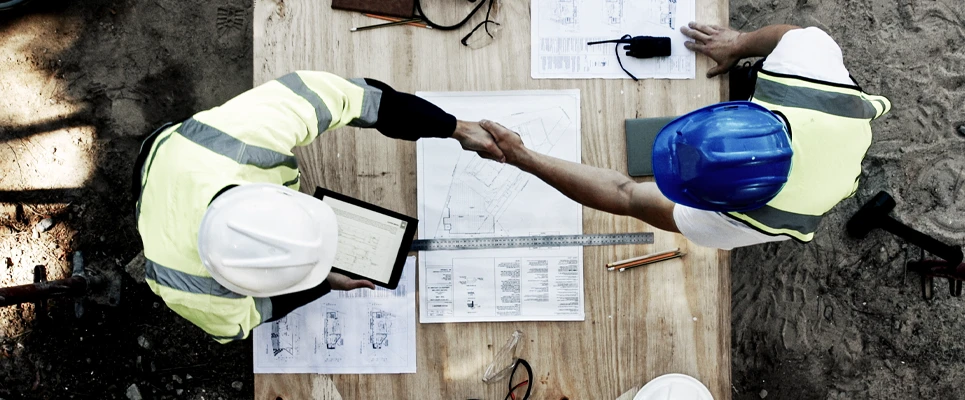
To be useful, field data must fit naturally into estimating workflows. Raw data alone doesn’t improve estimates, interpretation does.
Estimating platforms that support flexible takeoff and pricing structures make it easier to translate field insights into practical changes.
In practice, contractors often start by:
- Reviewing completed jobs to compare estimated versus actual quantities
- Identifying recurring variances tied to site conditions or production methods
- Updating assemblies or labor units to reflect real-world performance
These steps don’t require perfect data. They require consistent data and a system designed to use it.
IoT Trends Are Accelerating the Feedback Loop
IoT adoption is turning sensors, wearables and connected jobsite devices into a growing source of estimating data. Sensors embedded in equipment, wearables and jobsite infrastructure generate continuous data about how work is performed.
While much of this data is currently used for safety, maintenance and scheduling, its long-term impact on estimating is significant.
As construction software ecosystems mature, more of this information is expected to flow into planning and estimating systems, shortening the gap between estimated and actual costs.
This trend mirrors the broader shift toward connected construction platforms, where estimating, accounting and field operations share a common data foundation instead of operating in silos.

Turning Estimates Into a Competitive Advantage
Integrating field data into estimating isn’t about chasing technology for its own sake. It’s about reducing uncertainty.
Contractors who close the loop between estimating and the jobsite are better positioned to bid confidently, manage risk and protect margins.
The EDGE continues to evolve alongside these trends by supporting estimating workflows that prioritize structure, accuracy and real-world validation.
As field data becomes more accessible and reliable, estimating will continue to shift from a static task to a strategic function informed by live jobsite insight.
See how EDGE turns field data into faster bids.